Frisco New vs Established Neighborhoods: What to Know
July 2, 2026
July 2, 2026
If you are trying to choose between a brand-new community and a more established area in Frisco, you are not alone. This is one of the biggest decisions buyers face because the right fit is about more than square footage or finishes. When you understand how newer and older Frisco neighborhoods differ in layout, amenities, construction pace, and overall feel, you can narrow your search with a lot more confidence. Let’s dive in.
Frisco is still growing fast, and that growth affects what you will see from one neighborhood to the next. Census QuickFacts estimates Frisco had 235,208 residents in July 2024, which is up 17.3 percent from the 2020 census base. The same source estimates a median owner-occupied home value of $642,100 for 2020 through 2024.
That growth has created neighborhoods at very different stages of development. Frisco’s 2040 Comprehensive Plan makes clear that some areas are focused on maintenance, while others are expected to transform over time. For you as a buyer, that means a newer master-planned community and an established neighborhood may offer very different day-to-day experiences, even within the same city.
Newer Frisco neighborhoods often follow a master-planned model. That usually means homes, amenities, trails, gathering spaces, and sometimes future retail or school planning are designed as part of one larger vision.
Fields is one example. It is a 2,545-acre master-planned community built around a live-work-play concept, with residential options ranging from urban multifamily residences to luxury custom homes with golf course views in a private gated community.
The Grove Frisco shows a similar pattern at a different scale. Its community information says the neighborhood covers 735 acres and includes 102 acres of programmed open space, 17 miles of planned trails, three pools, and two community gathering spaces.
Lexington Frisco is another example of how newer communities are packaged. This 950-acre master-planned development highlights a wide range of home sizes and styles from multiple builders, along with plans for an elementary and middle school on site.
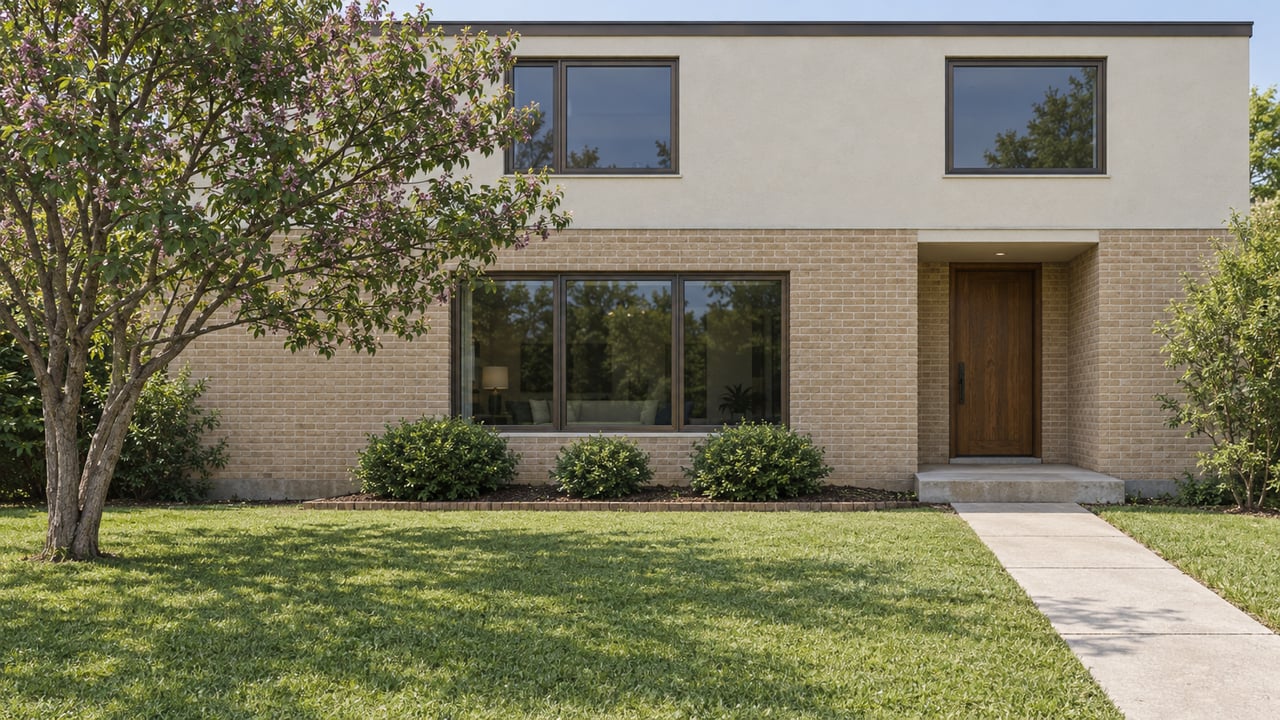
If you like modern layouts and built-in amenities, newer communities can be very appealing. In Frisco, they often offer a stronger menu of builder choices and housing types, along with common spaces designed to support an active lifestyle.
You may also like the consistency that comes with a master plan. Streetscapes, amenity centers, trails, and gathering areas are often designed to feel connected from the start.
Common features in newer Frisco communities may include:
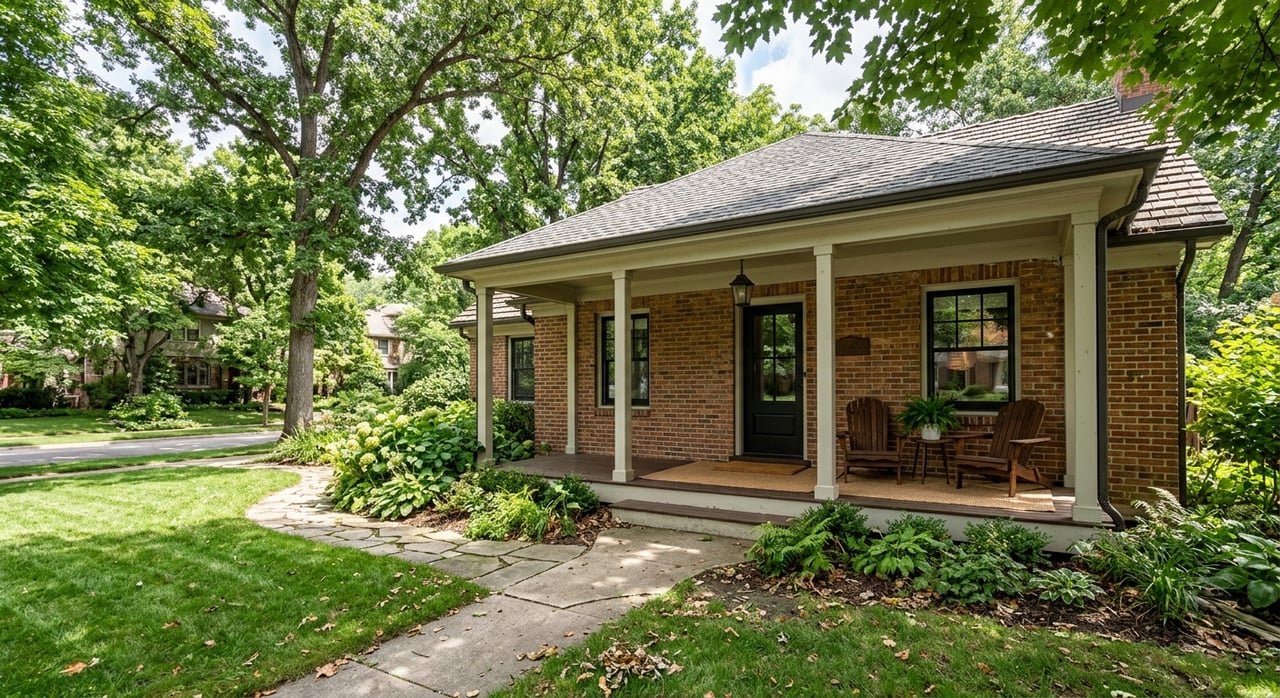
Established neighborhoods offer a different kind of appeal. Instead of a newly built environment, you are often choosing a setting with mature landscaping, a more settled street scene, and a stronger sense of neighborhood identity.
Frisco’s downtown and Rail District are a good example of an established area with distinct character. In the city’s downtown master plan, residents said they valued that downtown looked different from the rest of Frisco and preserved the sense that the city’s story did not begin in the 1990s.
The city has invested more than $80 million in redeveloping the historic Rail District. According to the city, that work has focused on improved walkability, rail-themed public gathering places, and live music and performance space.
Starwood represents another established option, but with a very different profile. Its community site describes more than 900 custom homes on 550 acres in a gated and guarded setting, with trails, a pool, clubhouse, playground, tennis courts, and community events.
Plantation Resort shows yet another version of established Frisco living. The HOA describes it as an established 1988 neighborhood with 305 single-family homes, tree-lined streets, and many homes backing to fairways, ponds, and canals in a golf-course setting.
Established neighborhoods can feel less phase-driven and more individualized. Depending on the area, you may find custom-home character, golf-course lots, mature trees, or proximity to Frisco’s historic core.
Frisco’s planning documents also show that established areas are still evolving. Older parts of the city are not frozen in place, and compatible infill and redevelopment are part of how these neighborhoods continue to change over time.
Common strengths of established Frisco neighborhoods may include:
The best choice usually comes down to how you want to live, not just how new the house is. Frisco offers both planned, amenity-rich communities and older neighborhoods with more established character.
Here is a simple side-by-side view:
| Factor | Newer Neighborhoods | Established Neighborhoods |
|---|---|---|
| Home options | Often multiple builders and product types | Often custom, single-family, or golf-course-oriented homes |
| Amenities | Usually built into the master plan | May rely on smaller private amenities or nearby city features |
| Streetscape | More consistent and phase-driven | More settled and sometimes more varied |
| Construction activity | Ongoing in many communities | Usually less active if fully built out |
| Landscaping | Younger trees and newer common areas | More mature landscaping |
| Community identity | Planned lifestyle feel | Longer-established sense of place |
There is no perfect neighborhood type, only the one that fits your priorities best. Newer communities often bring fresh design, modern amenities, and future growth, but they may also come with ongoing construction and changing surroundings as later phases are completed.
Established neighborhoods can offer a quieter and more finished setting. At the same time, amenities may be smaller in scale, and the home style mix may be narrower depending on the neighborhood.
Frisco’s Neighborhood Design Strategy also notes that many subdivisions contain only a few lot sizes. That planning issue can create a more homogeneous look in some neighborhoods, which matters if you care about lot diversity, privacy, or a less uniform streetscape.
Frisco’s trail system is an important part of neighborhood choice. The city says its trails range from wide concrete paths to unpaved nature walks, with additional walking loops in neighborhood parks.
That means walkability is not limited to just one part of the city. Still, the day-to-day feel can vary depending on whether you are in a newer master-planned community, an older subdivision, or closer to the historic core.
If your routine includes walking, biking, or spending time outdoors, it helps to look beyond the listing and study how the neighborhood connects to trails, parks, and gathering spaces. That can make a real difference in how a home lives over time.
Before you choose between a new or established neighborhood, it helps to compare the details that shape everyday life. This is where a clear process can save you time and help you avoid expensive assumptions.
Newer communities in Frisco are more likely to offer a broader menu of builders and product types. In some places, that can range from multifamily residences to custom homes.
Established neighborhoods often lean more toward single-family, custom-home, or golf-course-oriented living. If you already know the type of home that fits your lifestyle, that can quickly narrow your search.
If lot diversity, yard feel, or privacy matter to you, pay attention to the streetscape and spacing between homes. Frisco’s planning documents specifically flag lot-size diversity as an issue in some subdivisions.
In practical terms, newer master plans may feel more design-consistent, while established custom-home or golf-course neighborhoods may feel more individualized. Seeing both in person is often the fastest way to spot your preference.
Newer master-planned communities tend to bundle pools, trails, gathering spaces, and open space into the community itself. Established neighborhoods may offer a smaller private amenity set or rely more on nearby city amenities and trail connections.
Neither approach is better across the board. It depends on whether you want a highly programmed amenity lifestyle or a more independent neighborhood feel.
This is a big one in Frisco. Frisco ISD says school district boundaries do not always match city limits, and some parts of Frisco are in Lewisville ISD, Prosper ISD, or Little Elm ISD.
Even within one newer community, zoning can differ by section. The Grove notes different zoning north and south of Main Street, which is why it is so important to verify the exact address rather than assume based on the neighborhood name alone.
Frisco has more than 200 HOAs, according to the city. That makes HOA dues, architectural rules, amenity access, and governance style important parts of your comparison.
A newer master-planned community and an older HOA neighborhood may operate very differently. Reviewing the rules early can help you avoid surprises after you fall in love with a home.
If you want a finished setting with fewer unknowns, established neighborhoods may be easier to evaluate. If you want modern finishes and the chance to buy into a growing area, a newer community may fit better.
Just be realistic about what comes with future phases. Ongoing construction, shifting traffic patterns, and changing nearby uses are all normal in fast-growing parts of Frisco.
If you are drawn to newer Frisco neighborhoods, you may value amenities, modern design, and the convenience of a planned community. If you prefer established areas, you may care more about mature landscaping, custom-home character, or a more settled identity.
The right answer depends on how you define value. For some buyers, value means a new floor plan and community pool. For others, it means a tree-lined street, a golf-course lot, or being closer to the Rail District’s walkable environment.
A smart search starts by matching your priorities to the neighborhood type before you get too focused on individual listings. That is often the clearest way to buy with confidence in a market as dynamic as Frisco.
Whether you are comparing master-planned communities, established subdivisions, or homes near Frisco’s historic core, having a clear strategy matters. If you want practical guidance on neighborhood fit, home potential, and the details that affect long-term value, connect with Rhonda Brown to schedule a consultation.
Stay up to date on the latest real estate trends.
As your Real Estate Agent, I’m dedicated to ensuring you have an amazing experience in selling or buying real estate. I’m your PARTNER, and I value the relationship with my clients.