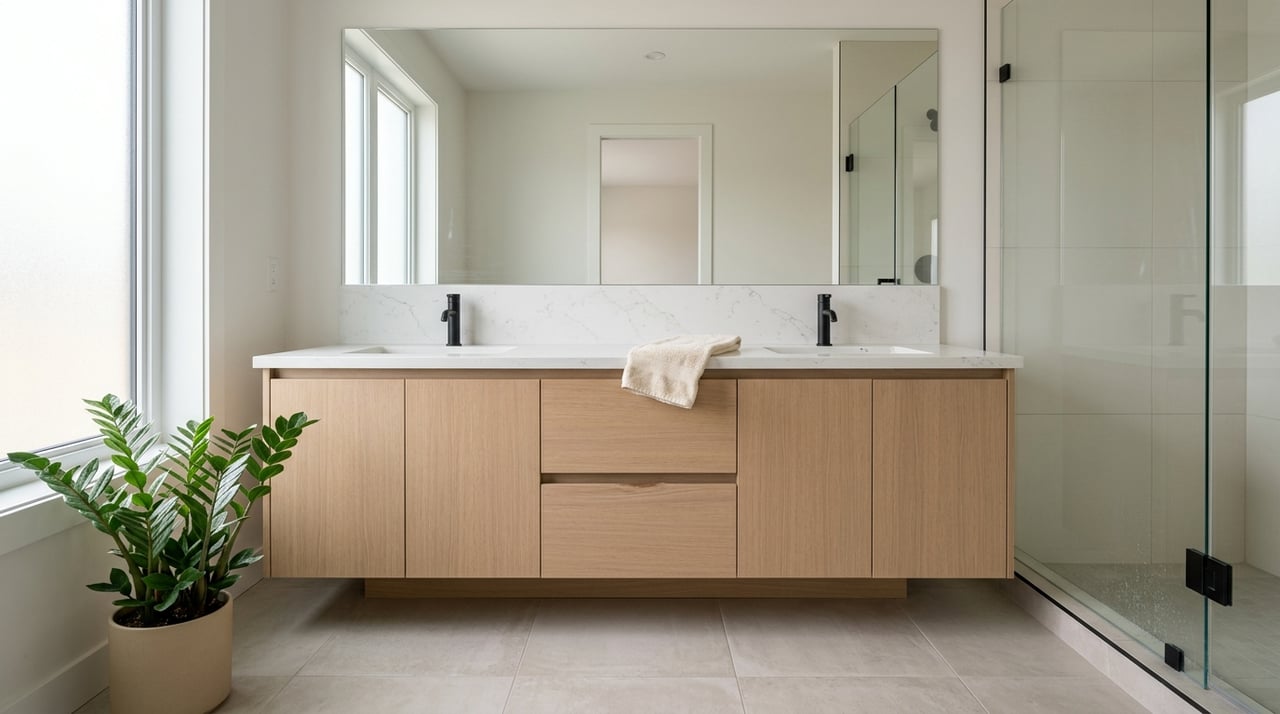
Design-First Prep To List Your Arlington Home
May 21, 2026
May 21, 2026
If you want your Arlington home to stand out, listing it "as is" without a prep plan can leave money and momentum on the table. In a market where homes are still selling but buyers have options, the right design-first strategy can help your home feel move-in ready without pushing you into a full renovation. This guide will show you how to prioritize repairs, focus your budget, and prep your home in the order that makes the most sense. Let’s dive in.
Arlington is not a market where you can rely on demand alone to do all the work. Recent housing data points to a balanced environment, with homes taking about 39 to 40 days to sell and sale-to-list trends suggesting buyers are still paying close attention to value and presentation.
That matters because buyers often compare several homes before making an offer. When your home looks clean, current, and well cared for, it removes friction and helps buyers focus on the space itself instead of a to-do list.
A design-first approach does not mean over-improving. In most cases, it means handling the issues that could raise questions, then using thoughtful presentation to make the home feel brighter, cleaner, and easier to picture as move-in ready.
Before you pick paint colors or think about staging, start with the home’s condition. The goal is to separate cosmetic items from repairs that could affect buyer confidence, inspections, or your timeline.
In Arlington, this step matters even more because the city clearly distinguishes between make-ready work and projects that require permits. Paint, flooring, and wallpaper generally do not need a permit, but items like window replacement, exterior door replacement, kitchen and bath remodels, wall removals, and garage conversions do.
If your home has known issues, deal with those before spending on decor or styling. Foundation work, roof replacement, plumbing, electrical, mechanical systems, and structural repairs can all have an outsized effect on negotiations later.
Arlington requires a building permit for structural foundation repairs, and roof replacement generally also requires a permit. For some projects, the city may require registered contractors and engineer-sealed plans, so it is smart to identify those needs early rather than let them delay your launch.
Not every repair has to derail your timeline. Arlington notes that many individual plumbing, electrical, and mechanical permits are often reviewed and issued the same day, which can make short make-ready schedules more realistic when you have the right professionals lined up.
That is one reason a vetted contractor network can be so valuable. When you know who to call and what work needs approval, you can keep prep moving without unnecessary guesswork.
Once the major issues are addressed, shift your attention to the parts of the home buyers notice most. Staging research shows that presentation matters because it helps buyers picture themselves living in the space.
According to the National Association of Realtors' 2025 staging findings, 83% of buyers' agents said staging made it easier for buyers to visualize a property as their future home. The same research found that staged homes often sell faster, and some agents reported higher offers as well.
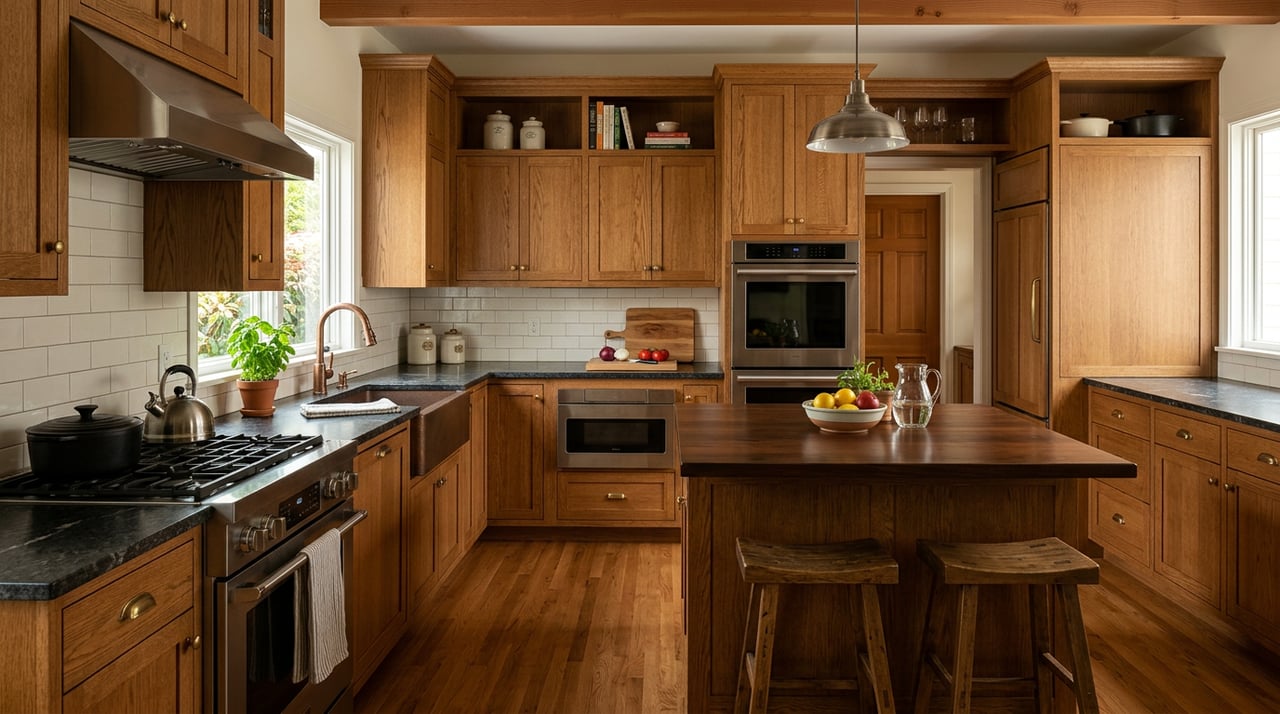
If you are working with a limited budget, focus first on the rooms that tend to shape first impressions most strongly:
These are the spaces where buyers tend to judge flow, comfort, and daily livability. Strong presentation in these rooms can make the entire home feel more polished.
The most effective pre-listing design choices are usually simple. Buyers respond well when a home feels open, clean, and easy to interpret.
That often means:
This is not about making your home look generic. It is about making it easier for buyers to see the home itself.
Cosmetic improvements can have a strong impact when they support the overall presentation. In Arlington, paint, flooring, and wallpaper are examples of work the city says generally do not require permits, which makes them practical updates for many sellers.
The key is to choose updates that help the home read as fresh and cared for, not trendy or overdone. A clean whole-home paint refresh, repaired trim, updated flooring in worn areas, and a deep clean can often do more for buyer response than an expensive remodel.
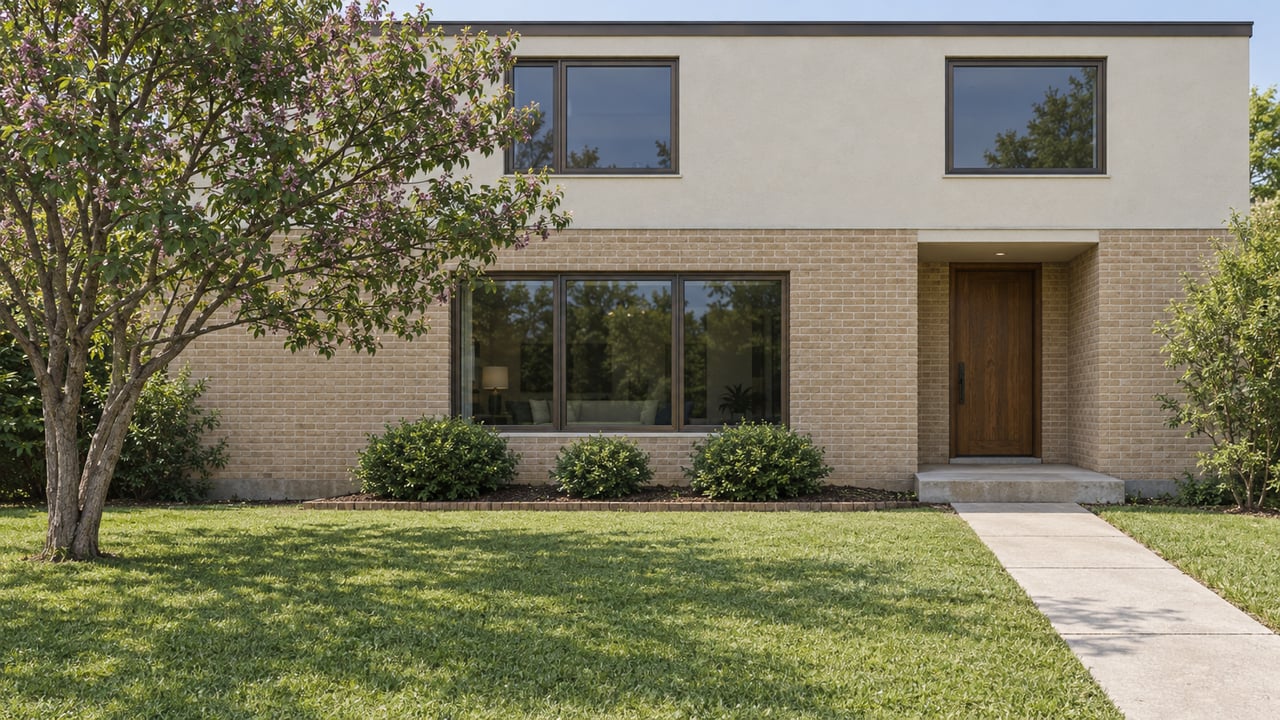
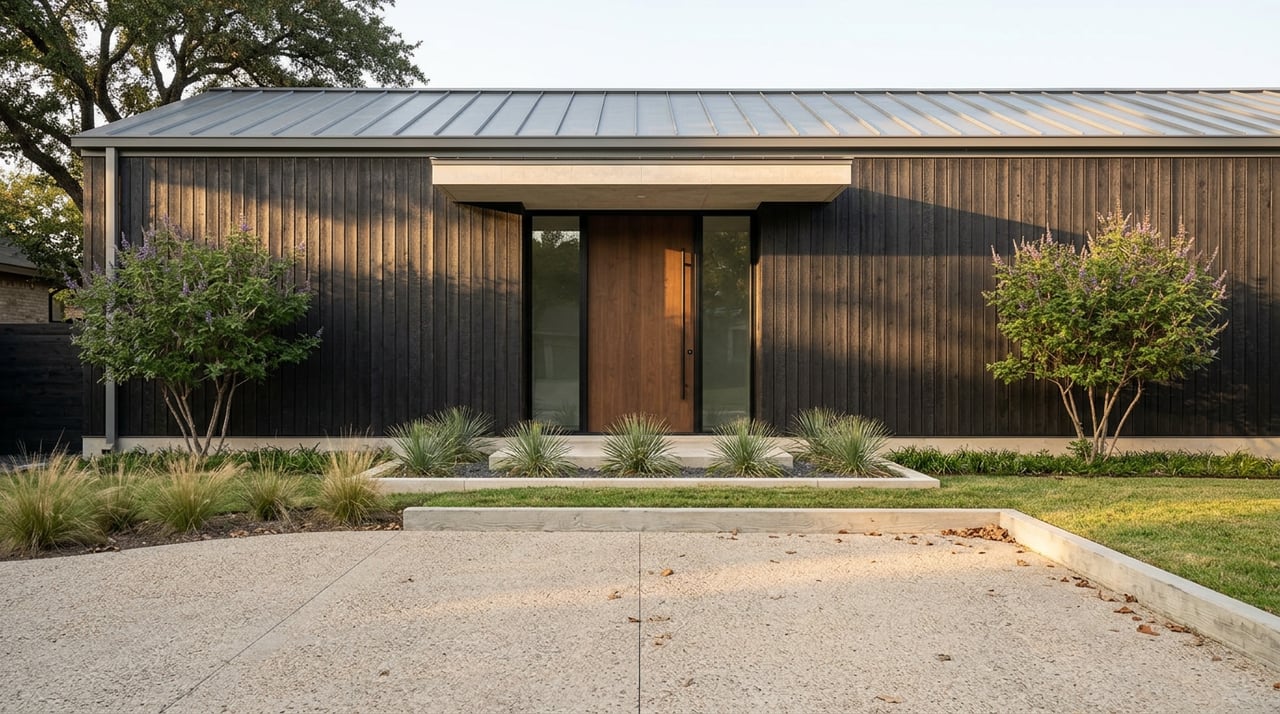
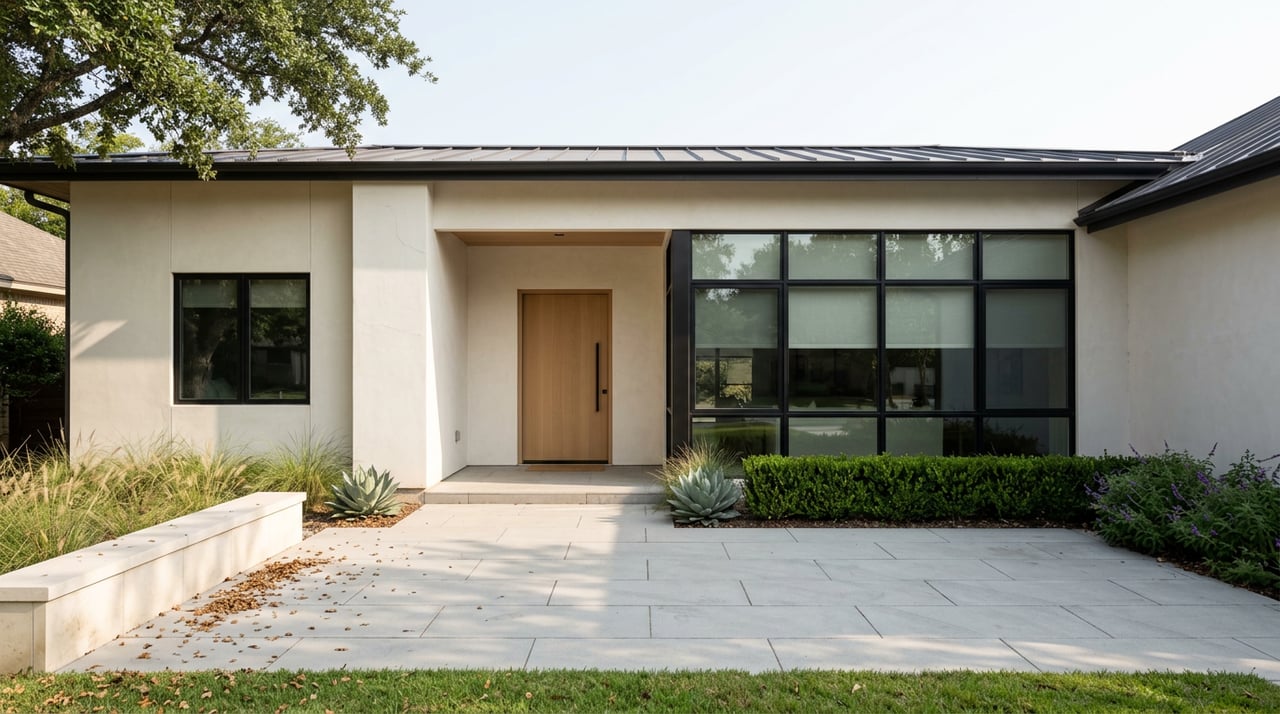
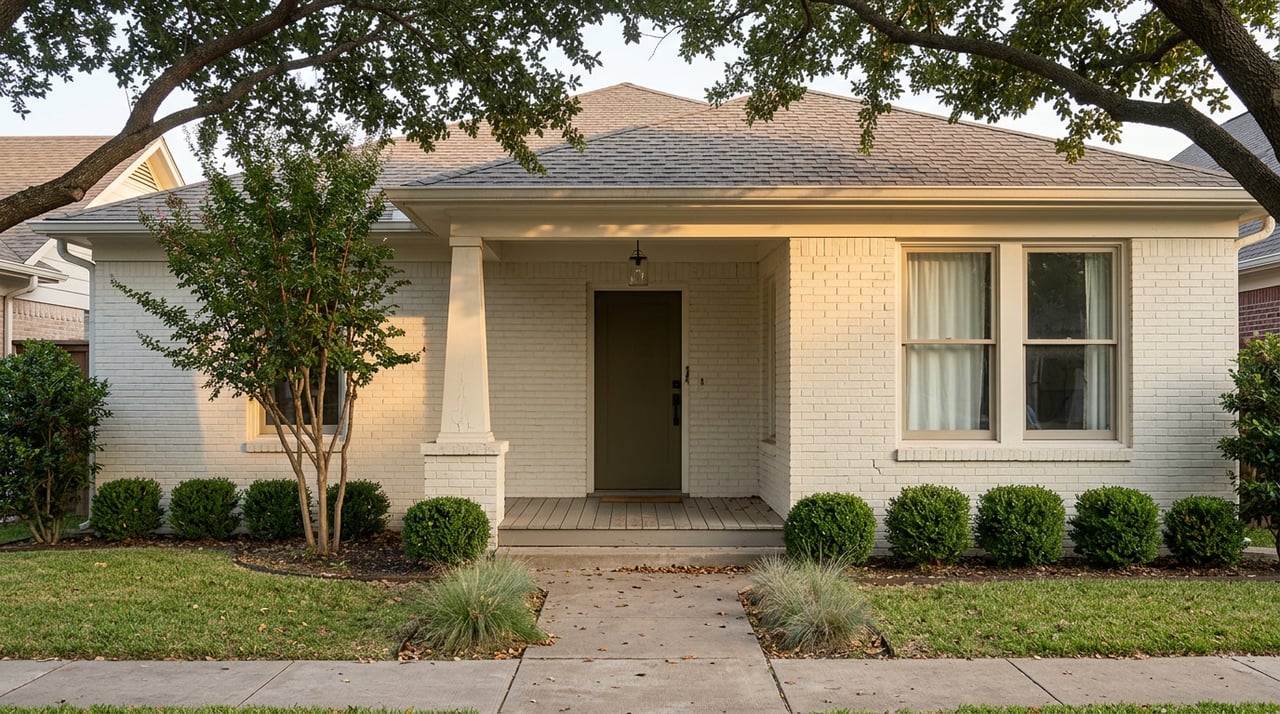
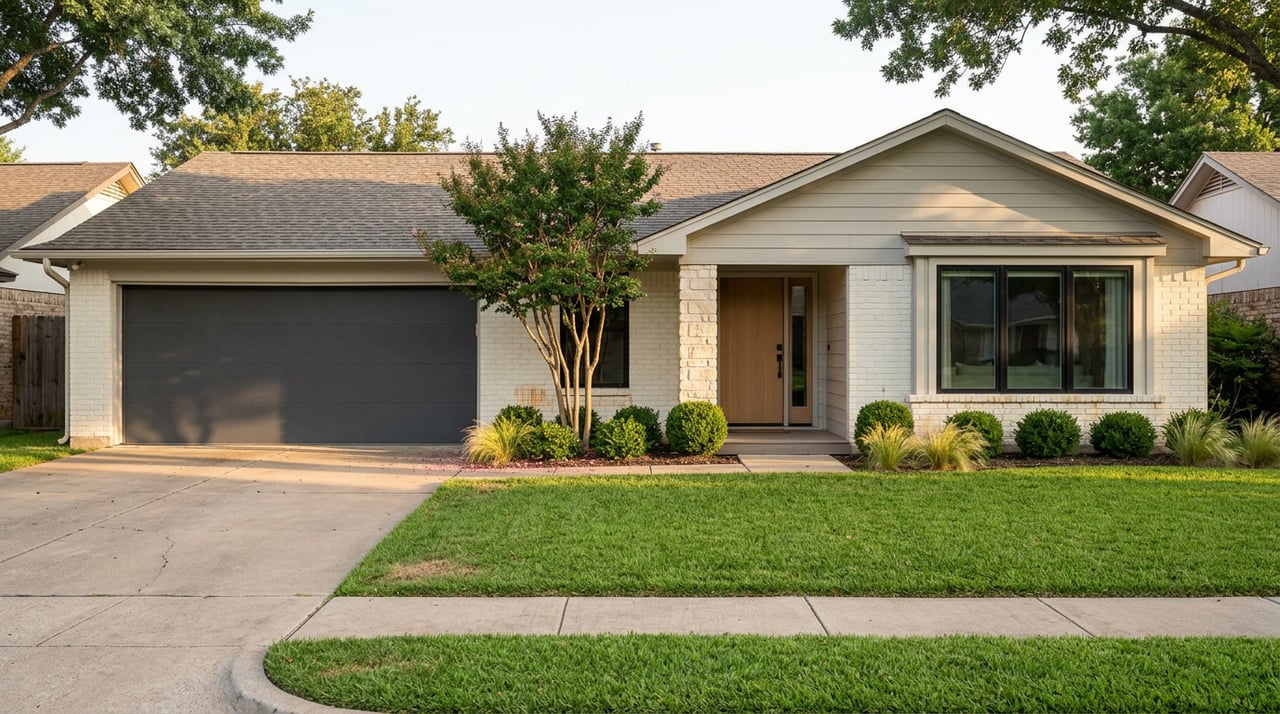
The exterior creates the first impression before buyers ever step inside. Staging research also shows that improving curb appeal is one of the most common seller-prep recommendations.
Focus on simple, visible improvements like:
These details signal care and set the tone for the showing.
One of the biggest mistakes sellers make is doing things out of order. If you stage first and fix later, or schedule photos before the home is truly ready, you can create extra stress and cost.
A more practical Arlington listing-prep sequence looks like this.
Walk the property with a critical eye and build a list of known issues, needed repairs, cosmetic updates, and documentation you need to gather. This is where you decide what is essential, what is optional, and what may require permits.
Handle any work involving structure, roofing, plumbing, electrical, HVAC, windows, doors, or remodeling changes that fall under Arlington permit rules. This protects your timeline and helps avoid last-minute surprises.
After the repair phase, complete the cosmetic reset. Deep cleaning, decluttering, touch-up work, and neutral paint usually create the clearest visual lift for the money.
Once surfaces are clean and repairs are complete, use staging to define space, improve flow, and create a polished look. For vacant homes, virtual staging may help with marketing images, but physical staging can still be especially useful where scale and room flow need to be understood in person.
Photos are one of the most important marketing tools in your listing. NAR staging research found that listing photos are highly important to buyers' agents, which means photography should happen only after the home is fully ready.
Many sellers assume preparing to list means spending far more than they want to. In reality, staging and targeted prep are often more manageable than a full renovation.
National staging research reported a median staging-service cost of $1,500, or $500 when the seller's agent handled the staging. Those are national figures, not Arlington-specific pricing, but they offer a useful planning benchmark when you are deciding how to allocate your budget.
A practical rule is to put your money in this order:
That order helps protect both presentation and negotiation strength.
Good presentation can help attract attention, but it does not replace full and timely disclosure. In Texas, the Seller’s Disclosure Notice is generally required for previously occupied single-family residences and covers material facts and physical condition.
It is wise to gather your repair receipts, contractor invoices, warranties, and notes on known issues before listing. If a required disclosure is not delivered on time, the buyer may have termination rights under Texas contract language.
Documentation matters because it supports your pricing story and helps answer buyer questions with confidence. If you repaired the roof, completed foundation work, or updated a system, keep those records organized and ready.
Also remember that an as-is sale does not stop a buyer from inspecting the property or asking for repairs later. Honest disclosure and clear documentation are still essential parts of a strong listing strategy.
If your Arlington home was built before 1978, federal lead-based paint disclosure rules may apply. That is especially relevant if prep work involves original painted surfaces or similar materials.
In today’s Arlington market, the goal is not to renovate everything. The stronger approach is usually to solve functional issues first, document the work clearly, and then use design, staging, and strong visuals to elevate the rooms buyers notice most.
That kind of plan helps reduce buyer objections, supports cleaner marketing, and gives your home a better chance to compete well from day one. When your prep is organized and intentional, you create a smoother path from listing to negotiation.
If you want a calm, step-by-step plan for preparing your Arlington home for market, Rhonda Brown can help you prioritize repairs, coordinate prep, and present your home with a design-forward strategy that supports your goals.
Stay up to date on the latest real estate trends.
As your Real Estate Agent, I’m dedicated to ensuring you have an amazing experience in selling or buying real estate. I’m your PARTNER, and I value the relationship with my clients.