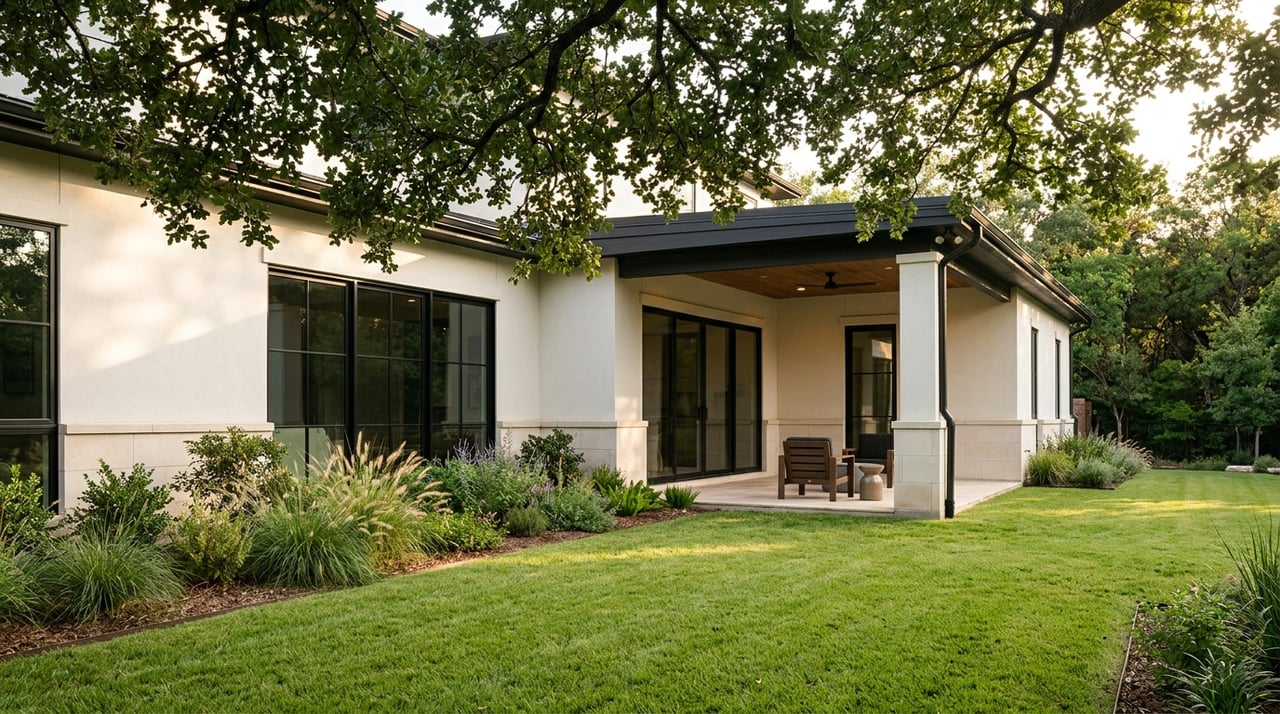
Explore Cedar Hill TX Homes With Space, Trails & Views
April 23, 2026
April 23, 2026
Looking for a Dallas-area suburb where space and nature feel like part of everyday life? Cedar Hill stands out for exactly that reason. If you want more room to spread out, easier access to trails and parks, and a location that still keeps you connected to the wider DFW area, Cedar Hill deserves a closer look. Let’s dive in.
Cedar Hill is about 16 miles southwest of downtown Dallas, with U.S. Highway 67 running through the city. It covers about 35.79 square miles and had an estimated 2024 population of 49,618, which gives it a suburban scale without feeling far removed from the metro area. Recent Census data also shows a mean commute time of 31.4 minutes and a 71.4% owner-occupied housing rate, which helps paint a picture of a community where many residents put down long-term roots. The city’s community profile provides the latest snapshot.
What really sets Cedar Hill apart is its physical setting. According to the city, Cedar Hill sits on the northern edge of the Balcones Escarpment and marks the start of the Texas Hill Country. It is also the highest point in Dallas County at 880 feet, which helps explain the rolling terrain, wooded pockets, and elevated views that feel different from many other parts of Dallas County. You can explore that context on the city’s Nature & Open Space page.
In some suburbs, parks are a bonus. In Cedar Hill, open space is part of the city’s identity. The city says its open-space corridor spans more than 4,000 acres, and the City Council has set a goal of preserving 25% of Cedar Hill as open space.
That commitment shows up in how the city feels day to day. Cedar Hill also offers more than 36 miles of trails, giving you options for walking, biking, and exploring without needing to leave town. For buyers who want a more outdoor-oriented lifestyle, that is a major part of the appeal.
Several standout destinations help define Cedar Hill’s lifestyle:
Just as important, these spaces are not isolated from one another. The city’s Nature Walks network notes that the trail system links Cedar Hill State Park, Cedar Hill Mountain Nature Preserve, Calabria Nature Preserve, and Dogwood Canyon Audubon Center. That kind of connectivity helps make outdoor access feel practical, not occasional.
If you are comparing suburbs, Cedar Hill offers a balance many buyers want. You get access to greenery, trails, and lake-oriented recreation, but you are also still within reach of major highways and the broader Dallas employment base.
That mix matters because lifestyle is not only about weekend plans. It is also about your daily routine, your drive times, and whether your neighborhood feels settled and usable. Cedar Hill’s combination of highway access, suburban scale, and roughly half-hour average commute supports that middle ground between convenience and breathing room.
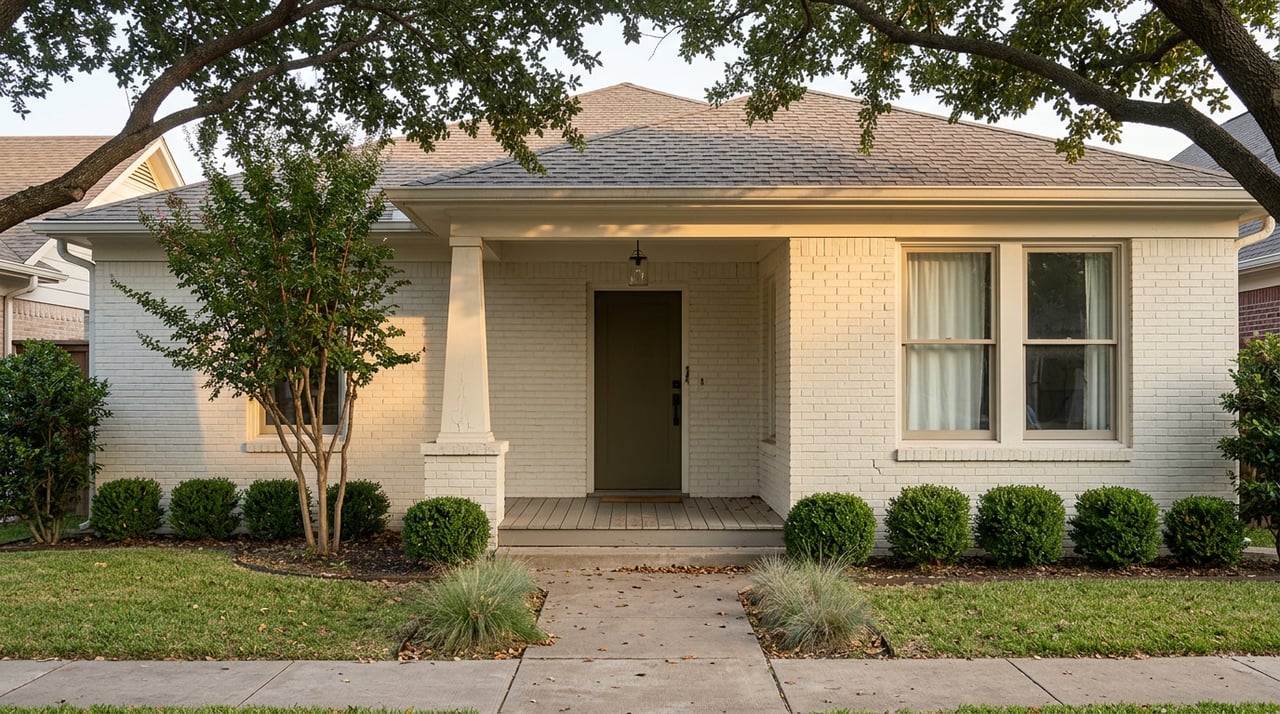
One of Cedar Hill’s strengths is that it does not offer just one kind of neighborhood. Based on the city’s neighborhood profiles, you can find everything from established tree-lined areas to newer custom-home communities and mixed housing formats. That variety can be useful if you are still figuring out what matters most to you, whether that is mature trees, newer layouts, gated access, or proximity to shopping and services.
If you are drawn to neighborhoods with a settled look and more shade, Cedar Hill has several areas worth noting.
Kingswood dates from 1968 to 1995 and is described by the city as a heavily wooded subdivision with some of Cedar Hill’s most majestic trees. South Hills, a 1972 planned development, sits in a wooded area along Red Oak Creek and is noted for its mature character.
Bent Creek was developed in 1984 and is described as retaining its natural beauty while being within walking distance of shopping and dining. Wildwood at Lake Ridge features rolling hills, heavily wooded homesites, and 36 acres of protected greenbelt.
Other areas add more housing variety. Highlands South includes more than 1,100 residences, including duplex and triplex garden homes, while Stonewood Heights North includes single-family homes, garden homes, and duplexes.
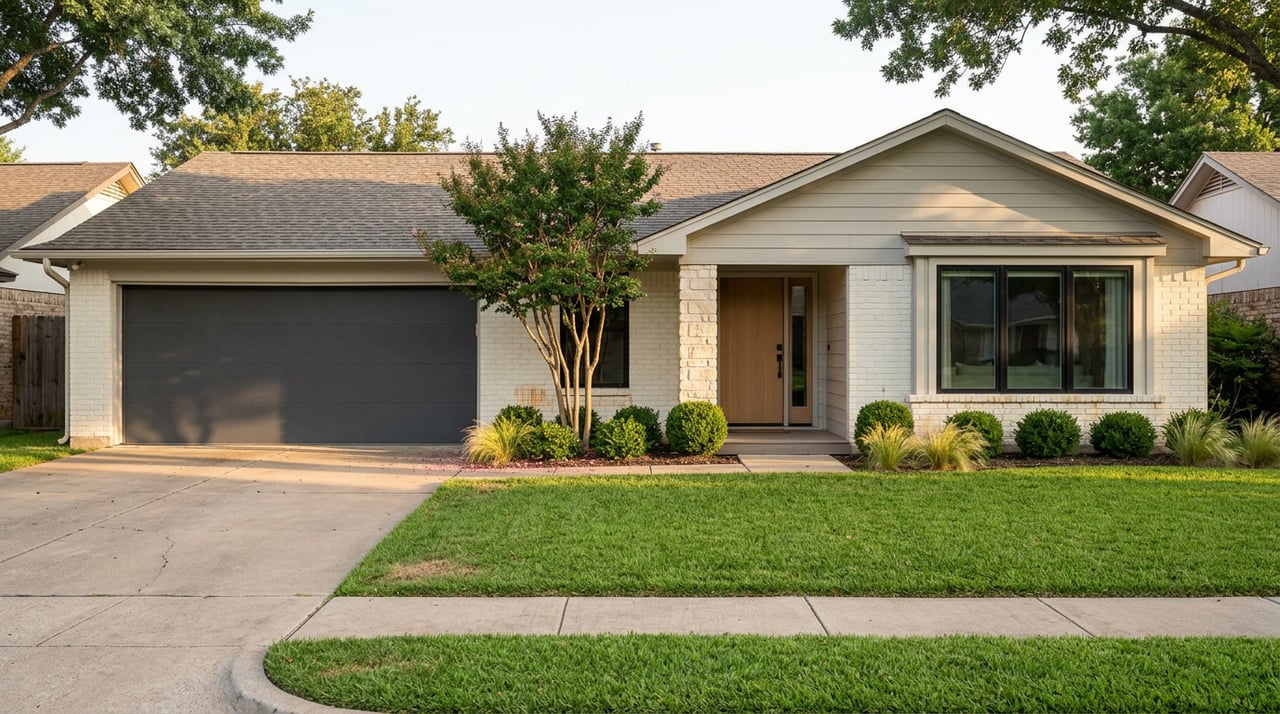
If you prefer more contemporary layouts or newer development, Cedar Hill also has options on that side of the spectrum.
Winterhaven Estates was developed in 2007 and is described as an up-and-coming neighborhood of custom homes with a greenbelt and easy access to U.S. Highway 67. Ridge at Windmill Hill is a gated custom-home community near Highway 67 and Wintergreen Road, with trees and rolling terrain.
In the Lake Ridge area, The Hills of Lake Ridge is one of seven gated communities and is noted for views of Joe Pool Lake. For buyers who want a newer product, Stonehill Estates was developed in 2020 and offers 223 homes with convenient access to I-35 and I-20.
When buyers start exploring Cedar Hill, I often recommend focusing on how you want your home and surroundings to function for you. Do you picture mature trees, larger lots, and an established setting? Or do you want a newer layout, a custom-home environment, or easier access to newer community infrastructure?
Cedar Hill gives you enough range to compare those tradeoffs in a meaningful way. Some areas lean more wooded and established, while others offer newer construction, gated settings, or a more custom-home feel. That makes the city appealing for buyers who want options instead of a one-size-fits-all suburban experience.
A good location profile should be honest, not just flattering. Cedar Hill performs well in resident sentiment, with the city’s 2025 community survey showing 79% satisfaction with Cedar Hill as a place to live and ratings at or above the U.S. average in 54 of 58 measured areas.
At the same time, the survey identified traffic flow and congestion, street and facility maintenance, and code enforcement as top priorities. That is helpful context if you are trying to evaluate the city with a clear eye. No suburb is perfect, and practical expectations matter when you are deciding where to buy.
For many buyers, Cedar Hill offers a compelling mix: more room, more greenery, and more neighborhood variety, while still remaining connected to the Dallas area. If your goal is to find a home in a place where trails, preserves, parks, and lake access are woven into the local identity, Cedar Hill stands out.
It can also be a smart market to explore if you want to compare home styles and neighborhood settings before making a move. Whether you are looking for an established home with mature trees or a newer property with a more current layout, Cedar Hill gives you multiple paths to consider.
If you are thinking about buying or selling in Cedar Hill, working with an advisor who can help you compare neighborhood character, property condition, and long-term value can make the process much clearer. When you are ready to take the next step, connect with Rhonda Brown for strategic guidance tailored to your goals.
Stay up to date on the latest real estate trends.
As your Real Estate Agent, I’m dedicated to ensuring you have an amazing experience in selling or buying real estate. I’m your PARTNER, and I value the relationship with my clients.