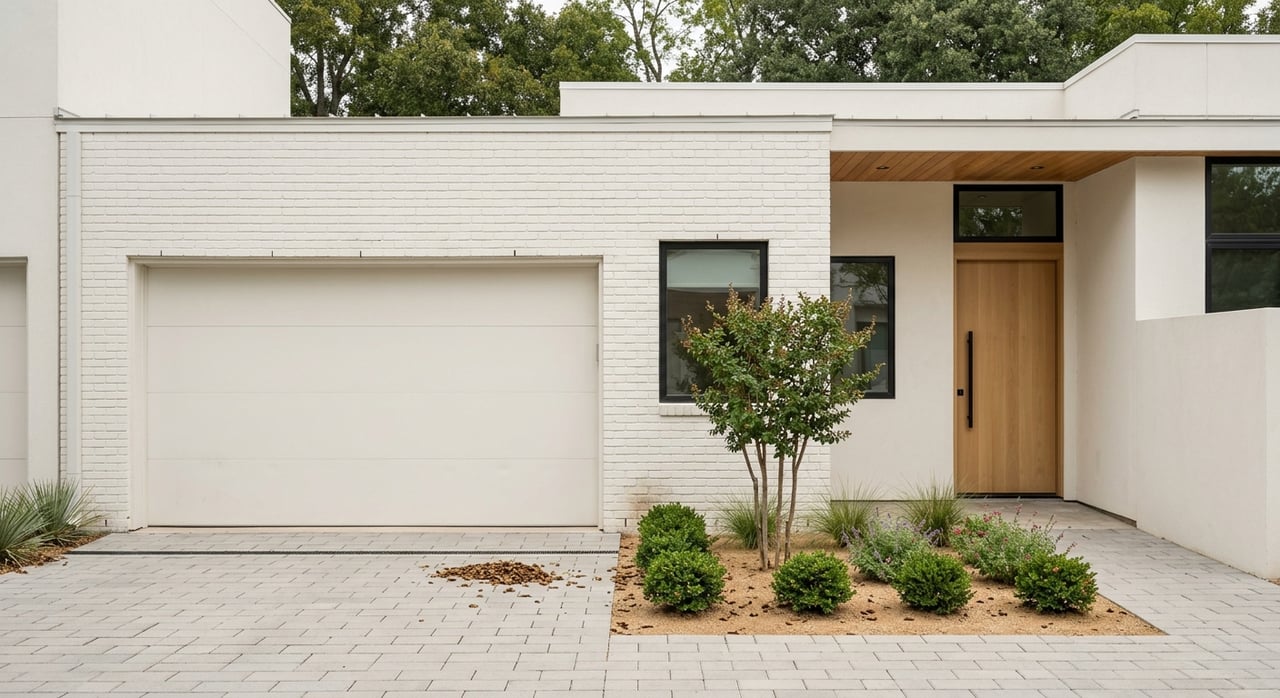
How to Evaluate Homes for Dallas TX Real Estate Investing
June 4, 2026
June 4, 2026
If you are thinking about buying a Dallas home as a long-term investment, one question matters more than almost anything else: will this property still make sense years from now, not just on closing day? That is where many buyers get stuck. You want steady demand, manageable costs, and a property that gives you options later. This guide will help you evaluate Dallas homes with a practical, risk-aware lens so you can make a smarter long-term decision. Let’s dive in.
Dallas offers scale, a large renter base, and a broad resale market. In 2024, the city of Dallas had 1,326,087 residents, while the Dallas-Fort Worth-Arlington metro reached 8,344,032 people and added 177,922 residents from the prior year. That kind of population base can support ongoing housing demand over time.
The city also remains renter-heavy compared with the county overall. Dallas city’s owner-occupied housing rate was 42.4%, while Dallas County’s was 50.8%. For a long-term investor, that can signal a meaningful pool of potential tenants, but it also means you need to study each area carefully instead of treating Dallas like one uniform market.
A strong long-term investment in Dallas is usually about location within the city, not just the Dallas address. Different pockets can perform very differently based on commute access, nearby supply, property condition, and HOA structure. Two homes with similar prices may have very different hold potential.
That is why disciplined submarket selection matters. You want to look at how easy the property is to access, whether the area is adding a lot of new inventory, and whether the home could appeal to both renters and future owner-occupants. Broad buyer appeal can help protect your exit options later.
Dallas benefits from a major regional job base. DFW Airport reports that it contributes $78.3 billion annually to the North Texas economy and supports 684,000 jobs. The labor market has also shown support, with the Dallas-Fort Worth area posting unemployment around 4% in early 2026, according to regional data in the research report.
For you, that means job access should be part of the investment equation. Homes with practical access to employment centers and major transportation routes may have stronger long-term demand than homes that are harder to reach or less convenient for day-to-day living.
Supply can shape both rents and resale pricing. Dallas County recorded 12,691 building permits in 2025, which is a useful reminder that some areas may see more competition from newer inventory than others. New supply does not automatically hurt a deal, but it can pressure rent growth or resale value if too much inventory comes online nearby.
When you evaluate a property, ask whether the surrounding area is stable, expanding carefully, or adding inventory quickly. That context can help you avoid overestimating future rent or appreciation.
A Dallas investment should be underwritten with realistic assumptions, not best-case hopes. Research in this report shows Dallas city median gross rent at $1,472 and median selected monthly owner cost with a mortgage at $2,316. That gap is important because it shows why purchase price alone does not determine whether a rental will perform well.
Zillow’s April 2026 snapshot in the research report showed an average Dallas home value of $311,957 and an average rent of $1,631. Using those figures, the rough gross yield is about 6.3% before property taxes, insurance, repairs, vacancy, and HOA dues. In other words, the headline rent number is only the starting point.
One of the most important questions is whether the property can absorb Dallas’s recurring ownership costs. Texas does not collect a state property tax, and property taxes are locally assessed and locally administered. That means your carrying-cost review should be property specific and local, not generic.
You also need to account for insurance, maintenance, vacancy risk, and any HOA dues. If the numbers only work under very optimistic assumptions, the deal may not be strong enough for a long-term hold.
It is easy to overestimate rent on paper. A better approach is to ask whether the home’s actual condition, layout, and location support the rent you want to achieve. If it needs updates, deferred maintenance work, or a more functional layout, your true rent may be lower until those items are addressed.
This is where a design-aware review can make a real difference. Sometimes a home has stronger long-term potential because simple, targeted improvements can improve rentability and future resale without turning into a major renovation project.
In Dallas, the most durable value-add opportunities are often the basics. Cosmetic refreshes, deferred-maintenance repairs, curb appeal improvements, drainage fixes, and layout enhancements can improve day-one appeal and long-term performance. These are usually easier to control than speculative, high-cost upgrades.
For long-term investors, practical improvements tend to create two benefits. They can help you support stronger rentability in the near term, and they can also make the property more attractive to a future buyer when it is time to sell.
Not every renovation adds equal value. In many cases, straightforward updates that improve how a home looks, works, and shows are more durable than trend-driven changes. Think in terms of condition, maintenance, and everyday usability.
This is especially important if you want a property that can appeal to more than one type of future buyer. Homes with practical updates and broad usability may offer a more flexible exit strategy than highly customized properties.
Dallas investors often look at both single-family homes and townhomes. Each can work, but the math and management tradeoffs are different. Your best choice depends on your budget, target tenant, and tolerance for recurring costs.
Single-family homes often offer more control over improvements and may come with fewer recurring association costs. Townhomes can still be appealing, but HOA dues and shared-maintenance responsibilities need to be part of your underwriting from the start.
| Property type | Potential advantage | Key consideration |
|---|---|---|
| Single-family home | More control over updates and improvements | You may handle more direct exterior and site maintenance |
| Townhome | Shared-maintenance structure may simplify some upkeep | HOA dues can affect monthly carrying costs and long-term returns |
Long-term investing does not mean you should ignore present market conditions. According to the research report, Dallas average home value was down 3.4% year over year in April 2026, median sale price was $423,050, and homes were going pending in about 27 days. The Dallas Fed also noted DFW existing-home sales were down 6.2% year over year in February 2026.
Those figures suggest a market with real demand support but also some softer patches. For you, that means patience and discipline matter. A property can still be a good long-term buy, but only if the deal makes sense under current conditions and conservative assumptions.
Before you move forward on a home, walk through a short decision filter:
Dallas can be a strong market for long-term residential investment, but the best results usually come from careful selection, not broad assumptions. The city is large, varied, and shaped by local differences in supply, access, and property type. A property that looks average at first glance may become a smart hold if the numbers are disciplined and the improvement plan is clear.
That is why a strategic review matters before you commit. When you combine market data, contract awareness, and a practical eye for condition and design potential, you can make a more confident decision and reduce avoidable risk.
If you are weighing a Dallas single-family home or townhome for long-term investment, Rhonda Brown can help you assess the opportunity with a clear, organized strategy that looks at numbers, property condition, and value-creation potential before you make your move.
Stay up to date on the latest real estate trends.

As your Real Estate Agent, I’m dedicated to ensuring you have an amazing experience in selling or buying real estate. I’m your PARTNER, and I value the relationship with my clients.