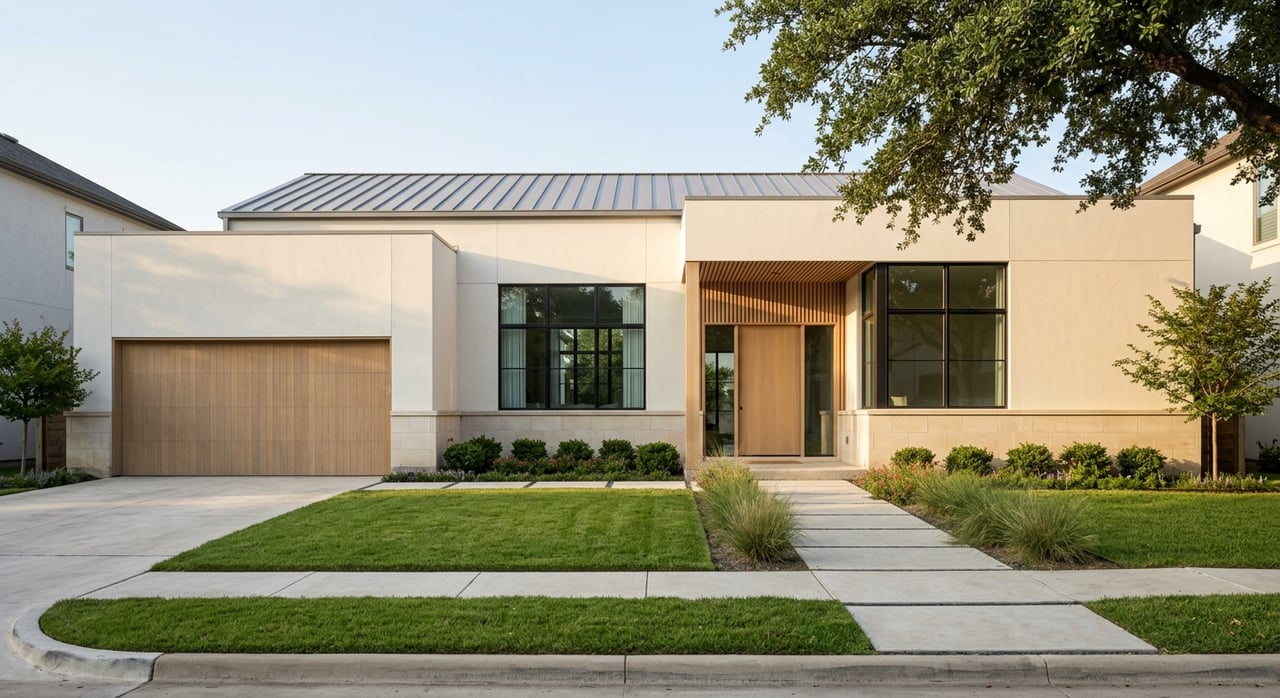
Dallas Urban vs Suburban Living: Finding the Right Fit
June 18, 2026
June 18, 2026
Trying to choose between city energy and suburban breathing room around Dallas? It is a common decision, and it is rarely as simple as picking “urban” or “suburban.” Your commute, housing style, daily routine, and favorite amenities all shape what will feel right. This guide will help you compare Dallas, Plano, Frisco, and Irving in a practical way so you can narrow your search with more confidence. Let’s dive in.
Around Dallas, the urban-versus-suburban decision often comes down to how you want to organize daily life. Dallas offers the most urban setting in this comparison, while Plano, Frisco, and Irving each bring a different suburban or hybrid feel.
Population helps show the scale of each city. Dallas had about 1.33 million residents in 2024, compared with 293,286 in Plano, 258,060 in Irving, and 235,208 in Frisco. That difference shows up in everything from housing patterns to transit options to how concentrated amenities feel.
Housing type is one of the clearest ways to separate urban and suburban living. If you want a wider mix of condos, townhomes, duplexes, apartments, and single-family homes, Dallas and Irving offer a more mixed profile. If you picture more owner-oriented suburban living, Plano and especially Frisco move further in that direction.
Dallas is not only an apartment market. The city’s 2022 housing inventory included 221,190 single-family units, 35,101 condominiums, 16,576 duplexes, and 8,105 townhomes, along with other housing forms. That gives you more variety if you want an urban setting without giving up the possibility of a detached home.
Plano’s housing approach includes both single-family and multi-family homes. Frisco’s planning materials describe detached single-family housing as a common suburban form, and the city notes that it has more than 200 HOAs. Irving sits somewhere in the middle, with a mixed tenure pattern and a more urban-adjacent profile than a classic detached-home suburb.
Owner-occupancy rates also help frame the market. Dallas has an owner-occupied housing rate of 42.4%, while Irving is at 38.1%, Plano is at 56.9%, and Frisco reaches 65.9%. In simple terms, Dallas and Irving lean more renter-heavy, Plano sits in the middle, and Frisco is the most owner-oriented.
Costs follow a similar pattern. Median gross rent is $1,472 in Dallas, $1,619 in Irving, $1,841 in Plano, and $2,014 in Frisco. Median owner-occupied home values also rise along that spectrum, at $320,700 in Dallas, $315,600 in Irving, $465,900 in Plano, and $642,100 in Frisco.
One of the biggest mistakes buyers make is assuming the city name tells the whole story. In the Dallas area, that can lead you in the wrong direction. A better filter is to compare housing type, commute path, and amenity rhythm before you decide which city fits best.
That matters because some suburban locations are highly connected, while some Dallas neighborhoods may still feel car-dependent depending on where you work and spend time. In other words, your day-to-day routine often matters more than the urban or suburban label.
A lot of buyers assume suburban living always means a much longer commute. Current data do not fully support that idea. Mean travel times to work are 25.7 minutes in Dallas, 25.4 minutes in Plano, 24.1 minutes in Irving, and 28.6 minutes in Frisco.
Those numbers are close enough that your exact job location may matter more than the city itself. If your office, clients, or regular destinations line up with your home search area, suburban living may not add much time at all. On the other hand, a poorly matched location can make even a central address feel inconvenient.
Transit is one of the clearest dividing lines in this conversation. DART serves a 13-city area that includes Dallas, Irving, Plano, and Richardson, and its rail system has 65 stations across the region. TRE commuter rail also links riders to Irving and downtown Fort Worth.
If you want the option to structure work, errands, dining, or entertainment around rail access, Dallas and certain inner-ring suburbs stand apart. If you are comfortable with a more driving-centered routine, suburban areas farther out may still be a strong fit. This is less about which choice is better and more about which one supports the way you actually live.
Dallas offers the strongest concentration of urban amenities in this comparison. For many buyers, that means easier access to major cultural destinations, a denser mix of activities, and a lifestyle that can feel more connected to the city’s core.
The Dallas Arts District includes destinations such as the Dallas Museum of Art, Nasher Sculpture Center, Crow Museum of Asian Art, Perot Museum of Nature and Science, Winspear Opera House, Meyerson Symphony Center, Klyde Warren Park, and the AT&T Performing Arts Center. VisitDallas describes it as the largest arts district in the country. That concentration gives central Dallas a destination-rich feel that is hard to replicate in a suburban format.
Urban living in Dallas can also be more flexible than many buyers expect. Because the housing stock includes substantial single-family inventory alongside condos, duplexes, and townhomes, you can often fine-tune the balance between space, convenience, and access to amenities.
Suburban living in this market is not one-size-fits-all. Plano, Frisco, and Irving each offer a different version of the suburban experience. That is good news if you want more room or a different pace without giving up access to parks, recreation, and city services.
Plano offers a broad mix of suburban amenities with both single-family and multi-family housing. The city highlights Historic Downtown Plano, parks and trails, recreation centers, swimming pools, libraries, and arts and events programming.
Its parks system reflects a neighborhood-based model, with features like playgrounds, hike-and-bike trails, practice fields, fishing piers, and picnic areas. If you want a suburb with established infrastructure and a wide mix of community amenities, Plano brings a balanced option.
Frisco is the most owner-oriented city in this group and also the highest on both rent and owner-occupied home values. Its planning framework and neighborhood structure reinforce a more classic suburban pattern, with detached homes and more than 200 HOAs.
The city’s parks and recreation identity centers on parks, trails, recreation centers, museums, public art, and special events. If your ideal setting leans toward structured suburban neighborhoods and a strong recreation ecosystem, Frisco is often a natural contender.
Irving offers a useful middle ground for buyers who do not want a strictly urban or suburban feel. The city highlights downtown revitalization, parks and recreation, library programming, and arts and entertainment offerings.
Irving also has more than 80 parks, more than 2,000 acres of parkland, and more than 33 miles of scenic trails. Combined with DART and TRE access, Irving can appeal to buyers who want suburban services with a more connected, urban-adjacent profile.
If you are comparing Dallas-area locations, try this simple framework before you tour homes:
This kind of sorting can save you time and help you focus on homes that match how you actually want to live, not just what sounds good on paper.
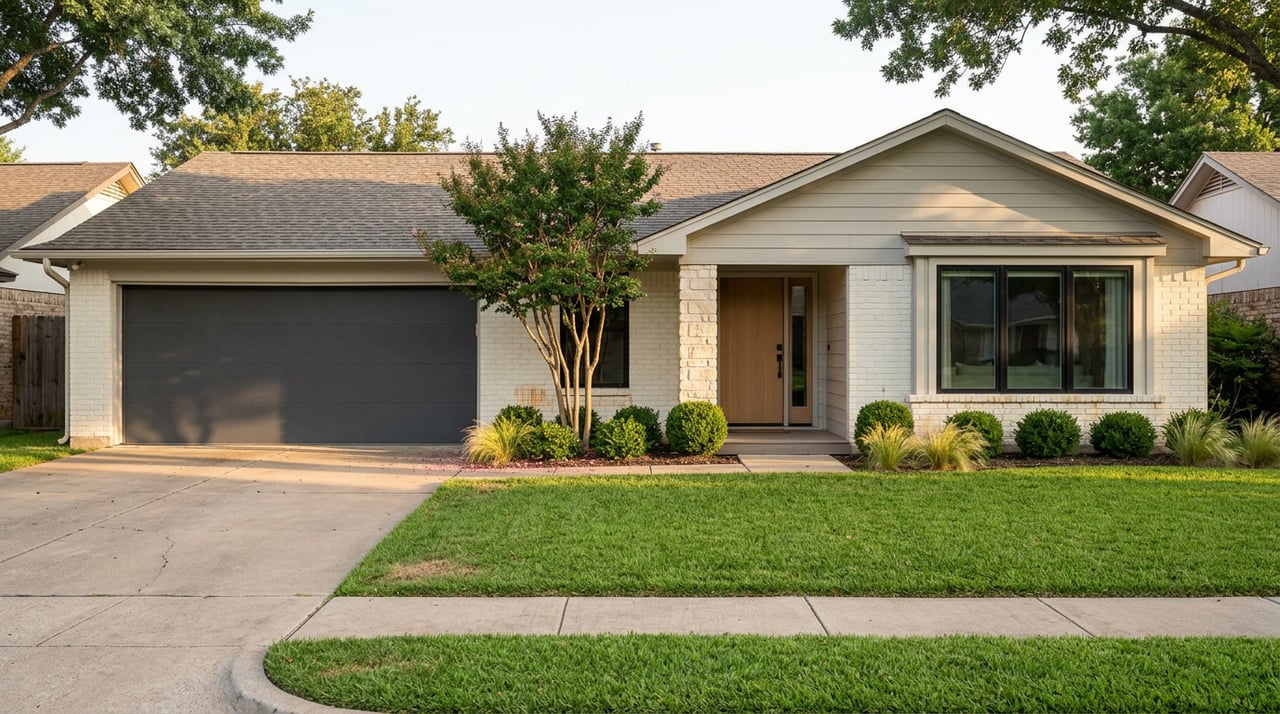
Once you narrow the location, the next step is matching the home to your lifestyle and long-term goals. A condo or townhome near urban amenities may support convenience and lower maintenance. A detached home in a suburban setting may offer a different mix of space, privacy, and future flexibility.
This is also where a design-aware approach can help. Sometimes the right home is not the one that looks perfect on day one, but the one with the best layout, location, and upside for your needs. Looking at both fit and potential can open up better options in a competitive market.
The Dallas area gives you real choice, not just a simple urban-versus-suburban split. Dallas delivers the clearest urban lifestyle in this group, while Plano, Frisco, and Irving show just how varied suburban living can be across DFW.
The best move is to compare your likely commute, preferred housing type, and everyday amenity pattern before you choose a city. If you want a clear strategy for narrowing your options in Dallas, Plano, Frisco, or Irving, Rhonda Brown can help you evaluate the tradeoffs and move forward with confidence.
Stay up to date on the latest real estate trends.

As your Real Estate Agent, I’m dedicated to ensuring you have an amazing experience in selling or buying real estate. I’m your PARTNER, and I value the relationship with my clients.